No products in the cart.


Picking a box sounds simple until you’re staring at a spec sheet full of terms like “E-flute,” “SBS,” and “GSM.” The material you choose affects everything from how your product looks on a shelf to how well it survives a cross-country shipment. Here’s a plain-English breakdown of the most common custom packaging materials and when each one makes sense.
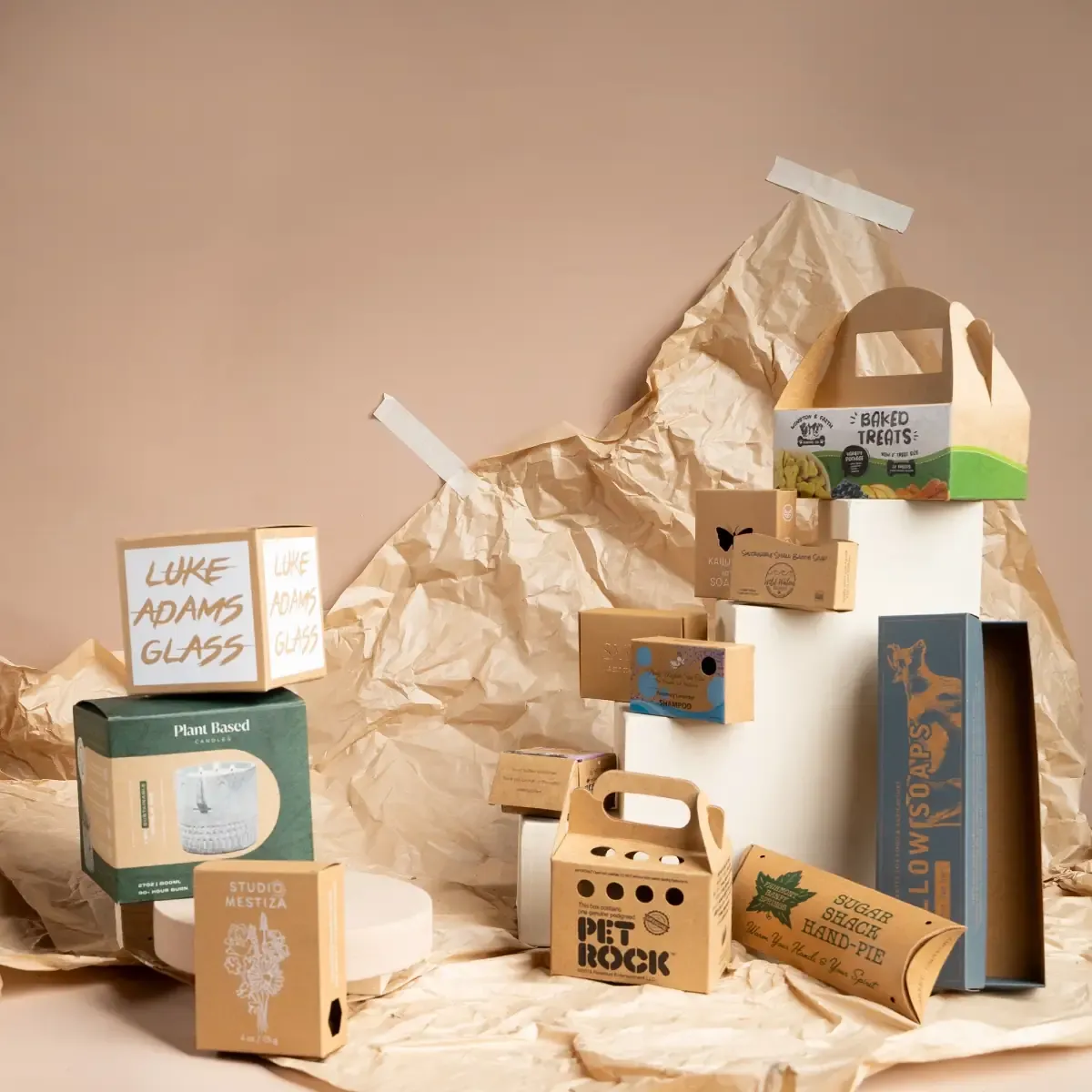
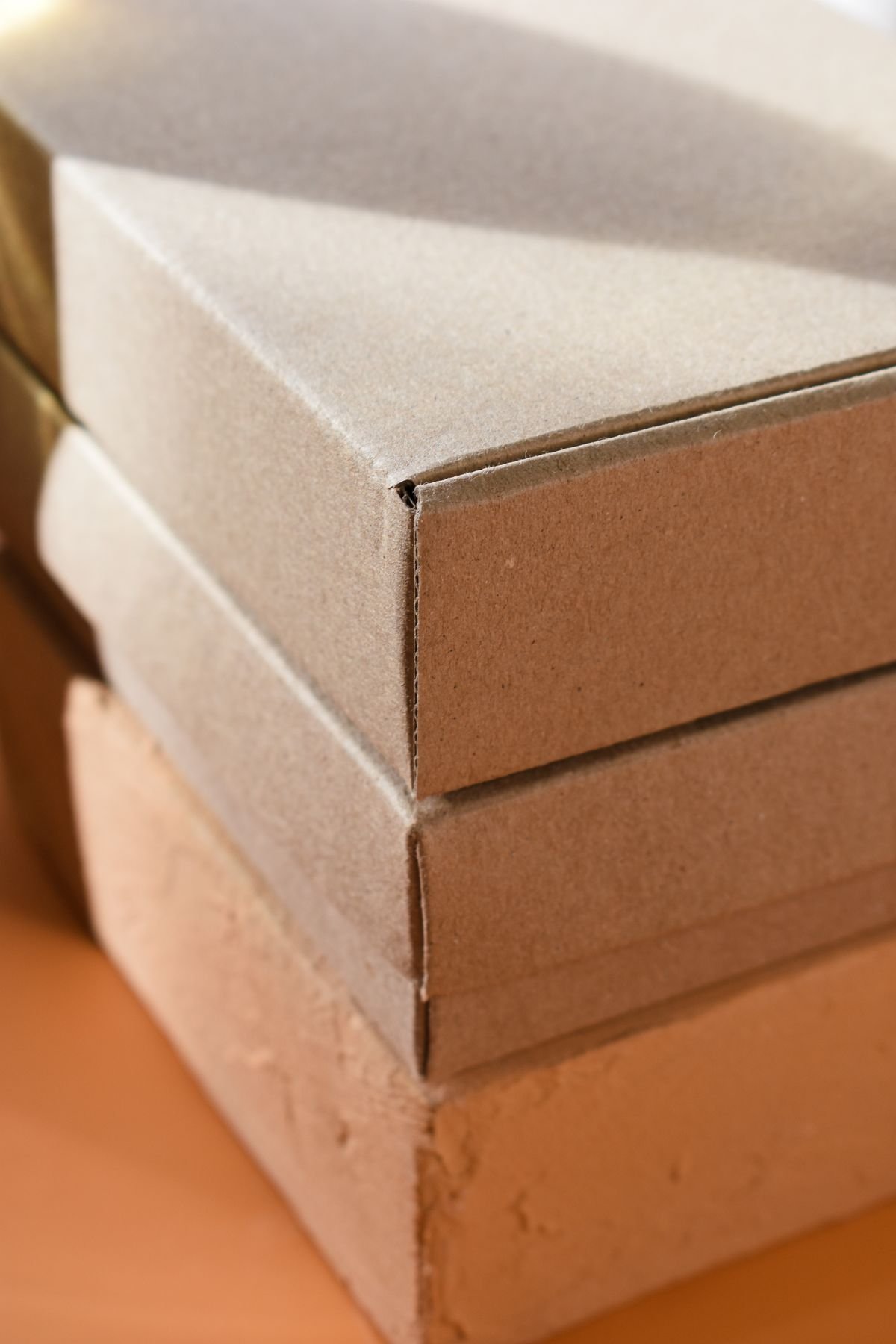
Kraft packaging has that natural, unbleached brown look that’s become shorthand for “eco-conscious brand.” It’s sturdy enough for retail and shipping, prints beautifully with a rustic, matte finish, and tends to be one of the more budget-friendly options. It’s a strong default choice for food packaging, candles, soap, and gift boxes where a warm, handmade feel fits the brand.
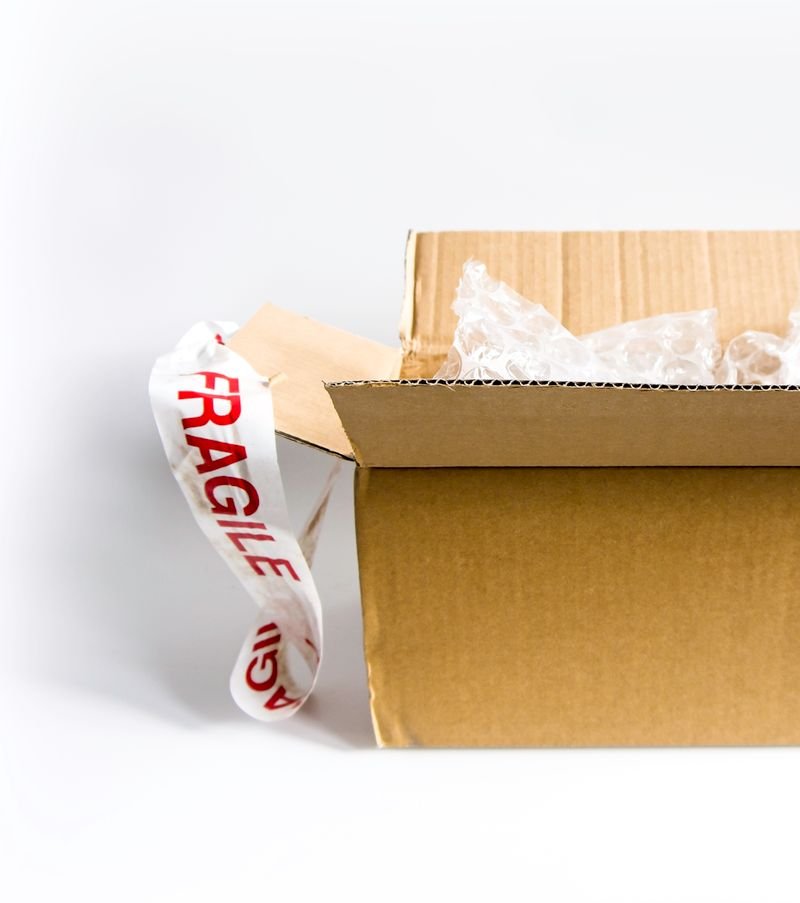
When a product needs to survive a truck ride, corrugated is usually the answer. The fluted inner layer adds cushioning and rigidity, which is why it’s the standard for shipping boxes, mailers, and anything heavier or more fragile. Corrugated can still be printed with sharp, full-color branding on the outside, so durability doesn’t have to mean plain packaging.
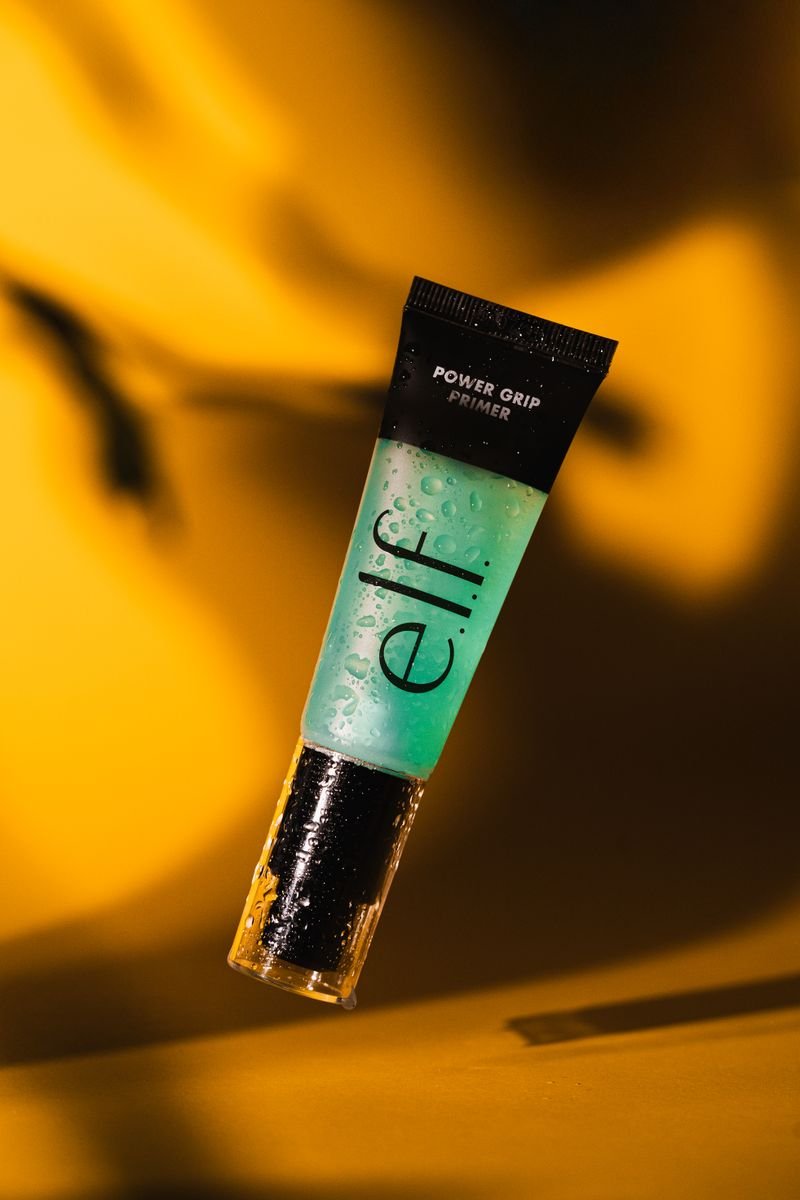
Rigid boxes are the premium option: thick, non-folding walls that feel substantial the moment someone picks one up. They’re a common choice for cosmetics, jewelry, electronics, and any product where the unboxing moment is part of the sale. The tradeoff is cost and shipping bulk, so they’re best reserved for higher-margin or gift-tier products.
Part shipping box, part retail box, mailer boxes are designed to go straight from your shelf into a customer’s mailbox without an extra outer shipping carton. They print well inside and out, which means the inside of the lid can carry a thank-you message or design detail that only your customer sees.
For products that need a barrier against moisture, light, or air, such as coffee, snacks, or anything with a shelf life, mylar bags and stand-up pouches are usually the better fit than a rigid box. They’re lightweight, keep shipping costs down, and can still carry full-color, edge-to-edge printing.
In practice, the decision usually comes down to three questions: does this box need to protect the product in transit, does it need to look premium on a shelf, and what’s the per-unit cost at your order volume? If you’re not sure, that’s exactly what our team is for.
Request a free quote and tell us about your product, and we’ll recommend a material and box style that fits both your brand and your budget, no minimum order required.
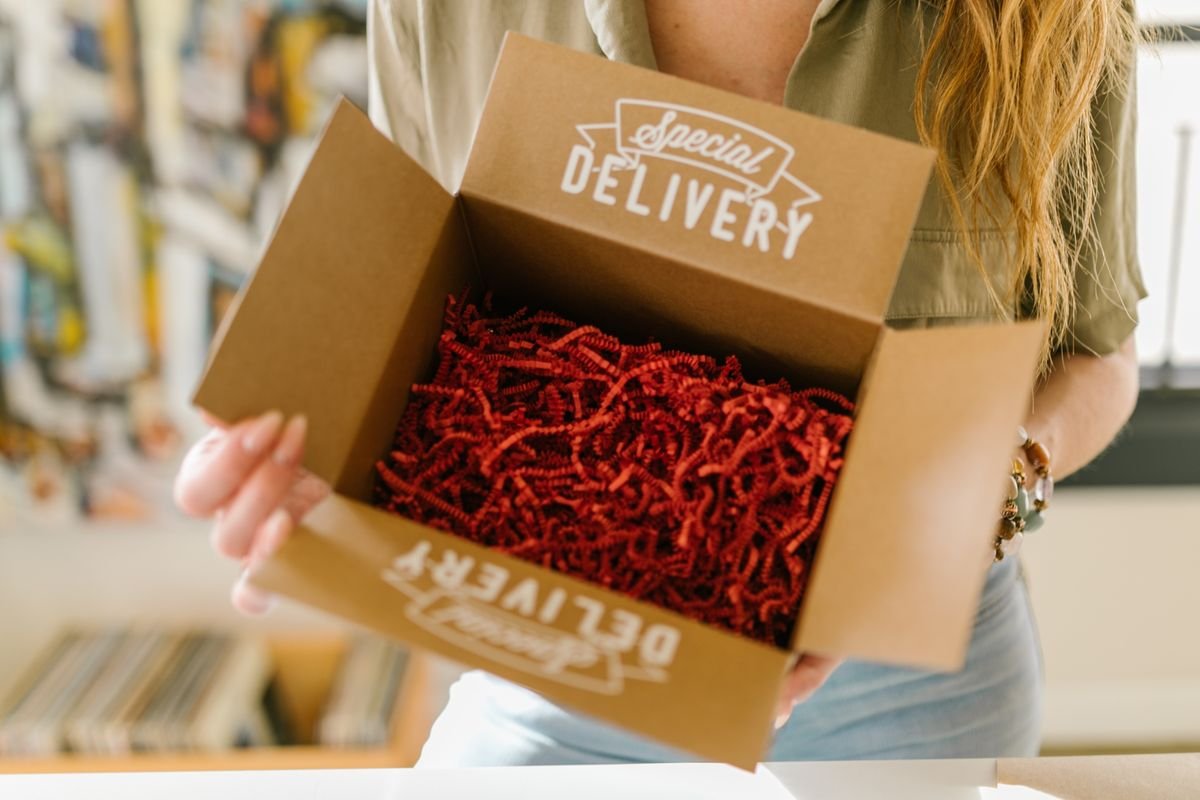
The seconds a customer spends opening your box shape how they feel about your brand long after the sale
Vector or raster? 72 DPI or 300 DPI? Here's a plain-English guide to the file formats that print cleanly

Custom packaging isn't just for brands with warehouse-sized minimum orders. Here's how small businesses

From mono-material boxes to typography-led design, here are five practical packaging trends that make



Leave a comment