No products in the cart.
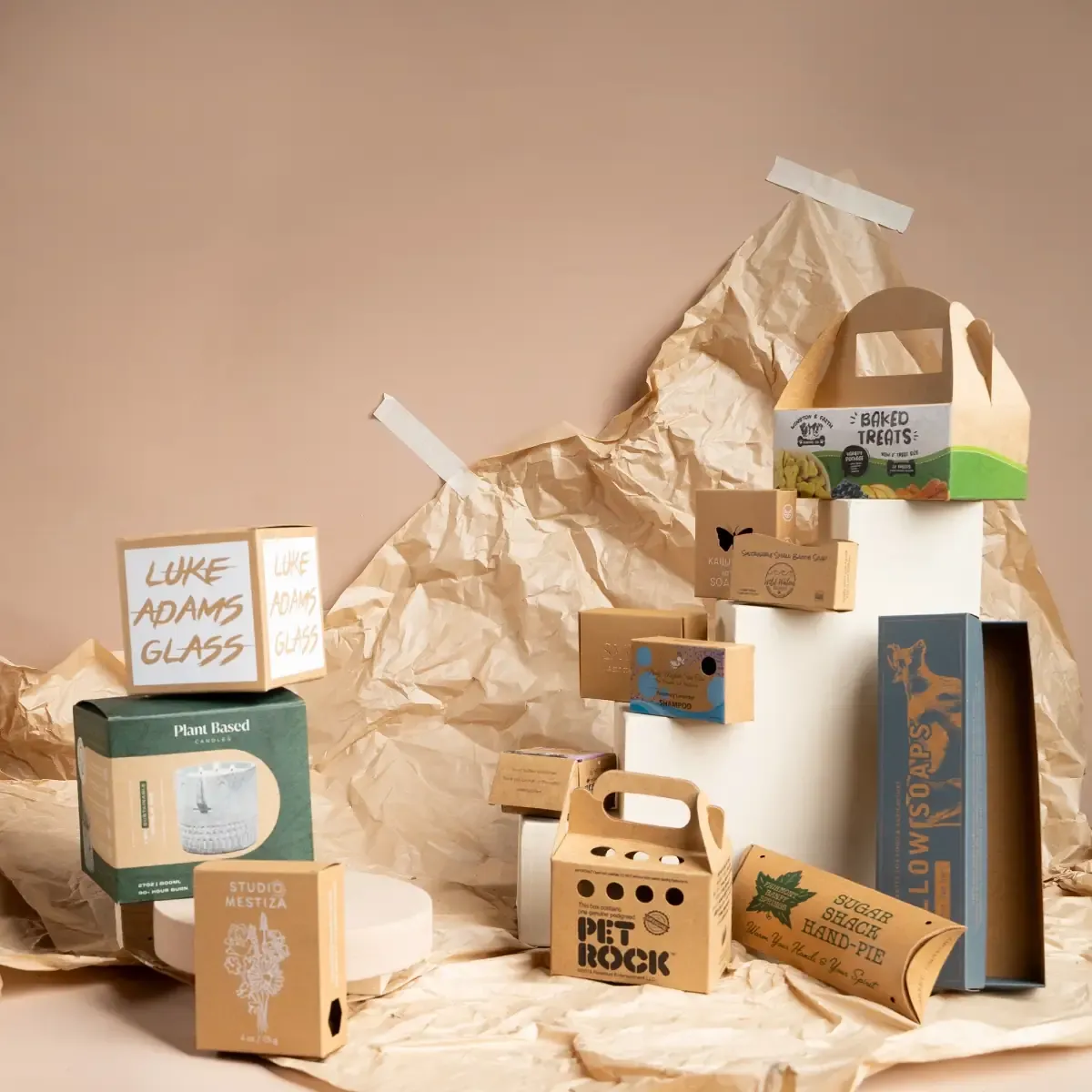
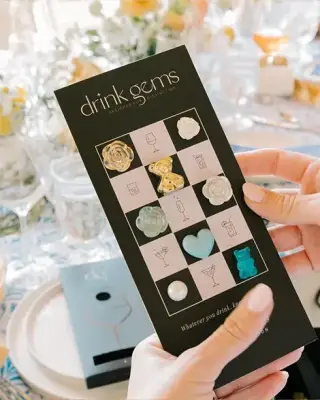
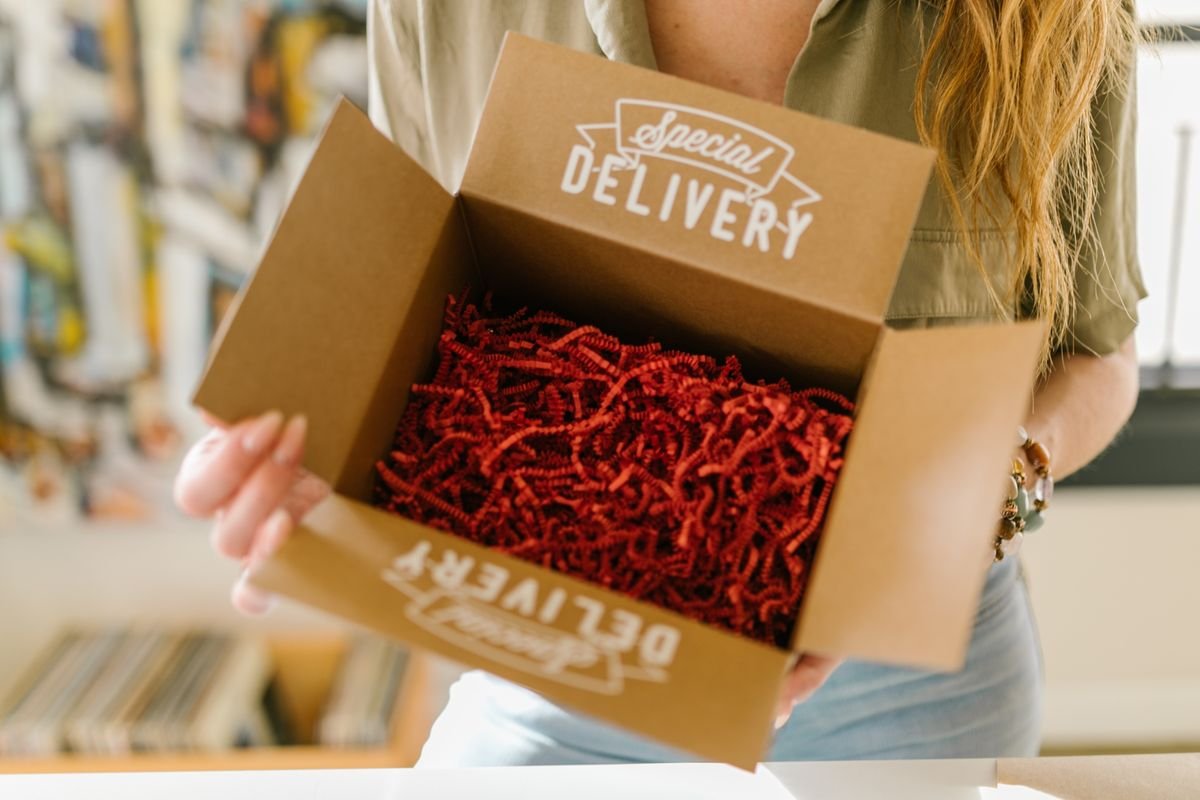
Somewhere between clicking “order” and using what’s inside, a customer spends real time interacting with your packaging — and that interaction shapes how they feel about the purchase before they’ve even touched the product. A plain, generic box signals “this is a commodity.” A well-designed, branded box signals “someone thought about this.” Neither message is spoken out loud, but both are received, which is why packaging deserves the same intentionality as your product photography or your website.
Customers rarely remember the exact specs of what they bought, but they do remember how the experience of receiving it felt. A box that opens smoothly, fits the product snugly instead of rattling around in excess space, and looks considered rather than accidental builds a small but real association between your brand and quality. That association is what gets recalled the next time they’re deciding whether to reorder from you or try a competitor.
You don’t need an elaborate unboxing production to make an impression. A few details consistently matter more than people expect:
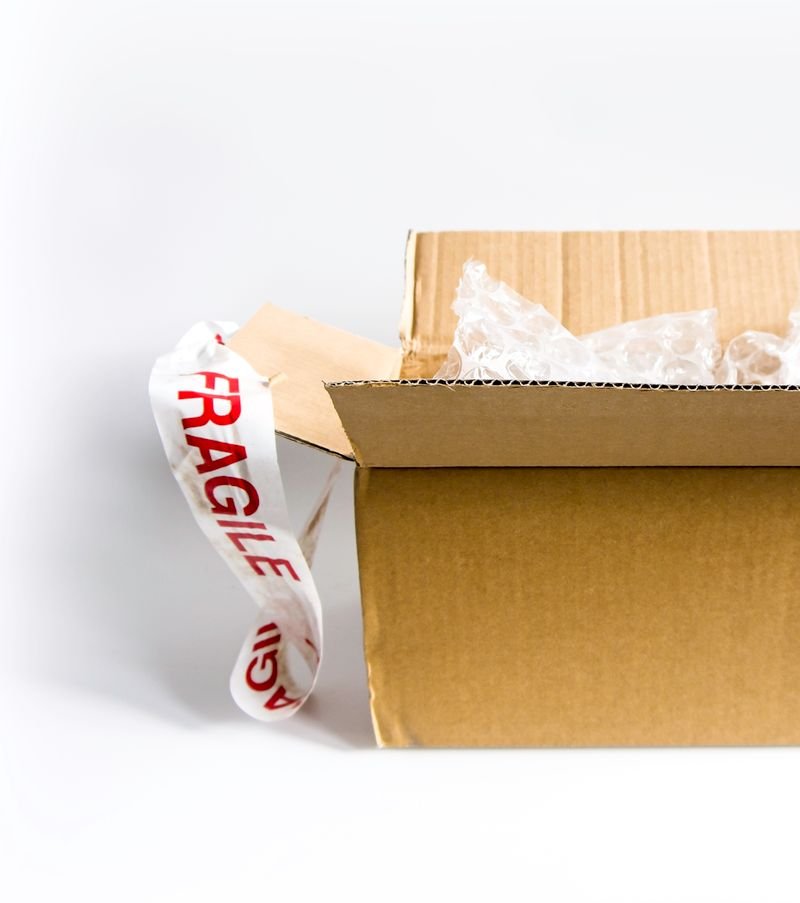
Fit. A box sized correctly for its contents feels premium; a box with the product sliding around in a sea of excess space feels like an afterthought — and increases damage risk in transit.
Print quality and finish. Sharp, well-registered printing with a finish like matte or soft-touch coating reads as higher-end than a fuzzy, glossy default print — often at a similar cost.
Opening mechanism. A box that opens cleanly on the first try, without wrestling with tape or a mis-cut flap, avoids turning a positive moment into a minor frustration.
Consistency. If your packaging looks different every time a customer orders, it undermines the brand recognition you’re trying to build. The same core design, reliably, is what makes packaging start to feel like a signature.
It’s easy to treat packaging purely as a line-item expense to minimize. But for a repeat-purchase business, packaging is one of the few brand touchpoints a customer experiences physically, in their own space, without any of the polish of your marketing around it. A box that reinforces your brand every time it arrives is doing ongoing marketing work — building familiarity and trust — long after the sale is technically closed. Businesses that treat packaging design as an investment in retention, rather than a cost to shrink, tend to see it pay off in how often customers come back.
If your current packaging is functional but forgettable, you don’t need to redesign everything at once. Start with the box your best-selling product ships in — the one the most customers will actually experience — and get that one right first. From there, a phased rollout across your other SKUs keeps the investment manageable while still improving the experience where it matters most.
Vector or raster? 72 DPI or 300 DPI? Here's a plain-English guide to the file formats that print cleanly
Custom packaging isn't just for brands with warehouse-sized minimum orders. Here's how small businesses

From mono-material boxes to typography-led design, here are five practical packaging trends that make
A plain-English guide to kraft, corrugated, rigid, mailer, and mylar packaging, so you can pick the right



Leave a comment