No products in the cart.
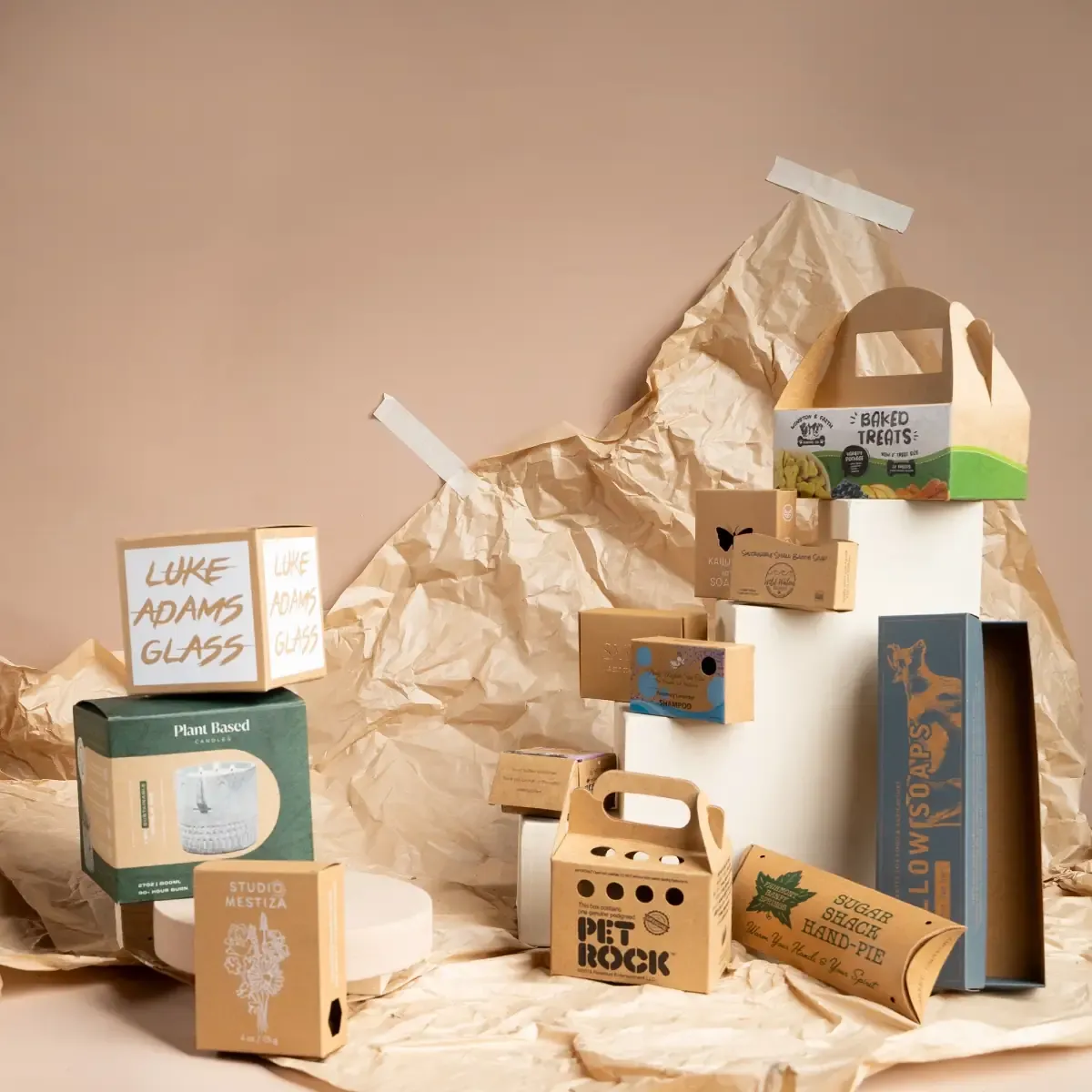
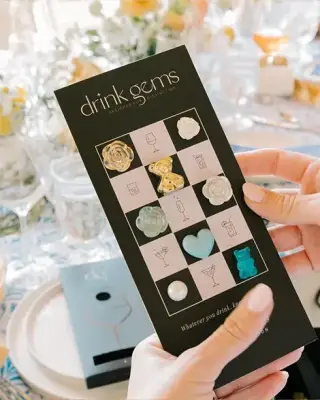
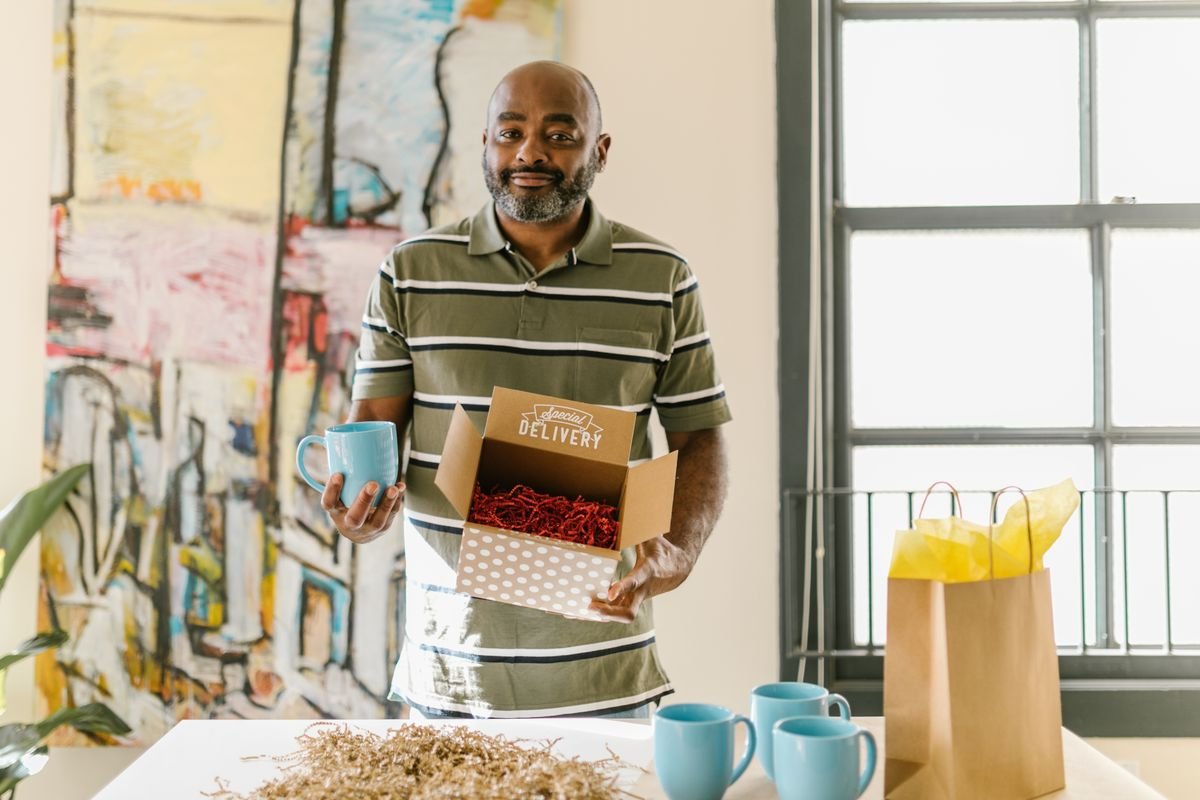
The biggest reason small brands stick with plain shipping boxes for years is a number they heard once: a minimum order of 1,000 or 2,500 units for custom printed packaging. That number is real for some printers, but it isn’t universal. Digital and short-run print processes have changed the math, and at The Half Price Box we quote custom printed mailers and corrugated boxes in run sizes that fit a garage-based brand as comfortably as a warehouse operation. The starting point for most small businesses isn’t “can I afford custom packaging” — it’s “what’s the smallest order that still makes financial sense,” and that’s a conversation, not a fixed rule.
There are two practical paths to custom packaging, and they land at very different price points:
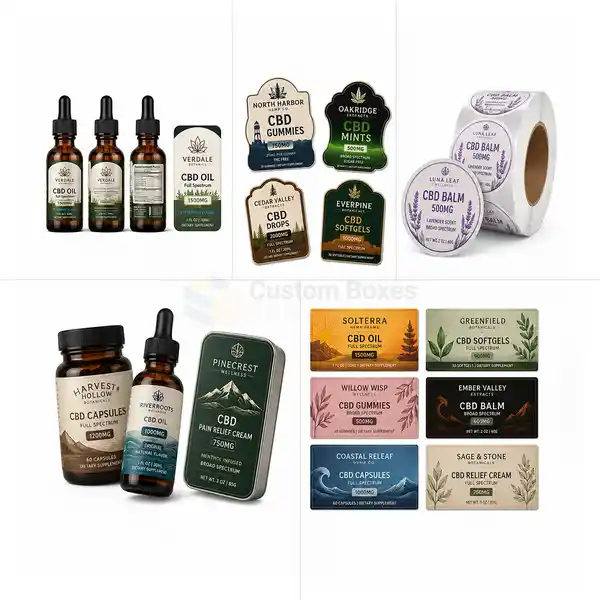
Stock box, custom print. You use a standard box size and add your logo, colors, and a simple design in one or two ink colors. This keeps tooling costs low because you’re not paying to engineer a new box shape — you’re printing on one that already exists. It’s the fastest way to go from “plain brown box” to “recognizable brand” on a limited budget.
Fully custom die-cut. This is a box built from scratch to your exact product dimensions, often with custom inserts, full-color printing, and finishes like matte or gloss coating. It looks and performs better — less wasted space, a tighter unboxing fit, more design freedom — but it carries a one-time tooling/die charge on top of the per-unit print cost. It usually makes sense once you have consistent order volume and know your product size isn’t changing.
Neither option is “the right one” in the abstract. The right one is whichever matches where your business is today.
Most of the small businesses we work with don’t jump straight to a fully custom box lineup. A more common — and lower-risk — path looks like this:
Phase 1. Start with custom-printed shipping labels or tape on a plain box, or a single-color print on a stock mailer. Minimal cost, immediate branding.
Phase 2. Move to a custom-printed stock box in your primary SKU size once you have a repeatable order volume.
Phase 3. Invest in a fully custom die-cut box with premium finishes once your product line and packaging needs have stabilized.
Each phase is a real, presentable package — not a placeholder — so you’re never shipping something that looks unfinished while you wait to “graduate” to the next tier.
When you’re ordering 500 boxes instead of 5,000, a mistake is proportionally far more expensive — and far harder to absorb. That’s exactly why we don’t print anything until you’ve approved a design proof. You see your logo, colors, and layout mocked up on the actual box structure before a single unit goes to press, so sizing issues, color mismatches, or layout problems get caught on screen instead of in a box of product you already paid for. For a small business ordering custom packaging for the first time, that proof step is often the difference between a confident yes and a costly guess.
If you’re not sure which path fits your order size and budget, that’s exactly what a quote conversation is for. Tell us your product dimensions, approximate order volume, and how you want the box to look, and we’ll recommend the option — stock-and-print or fully custom — that gets you a professional package without overbuilding for a stage you haven’t reached yet.
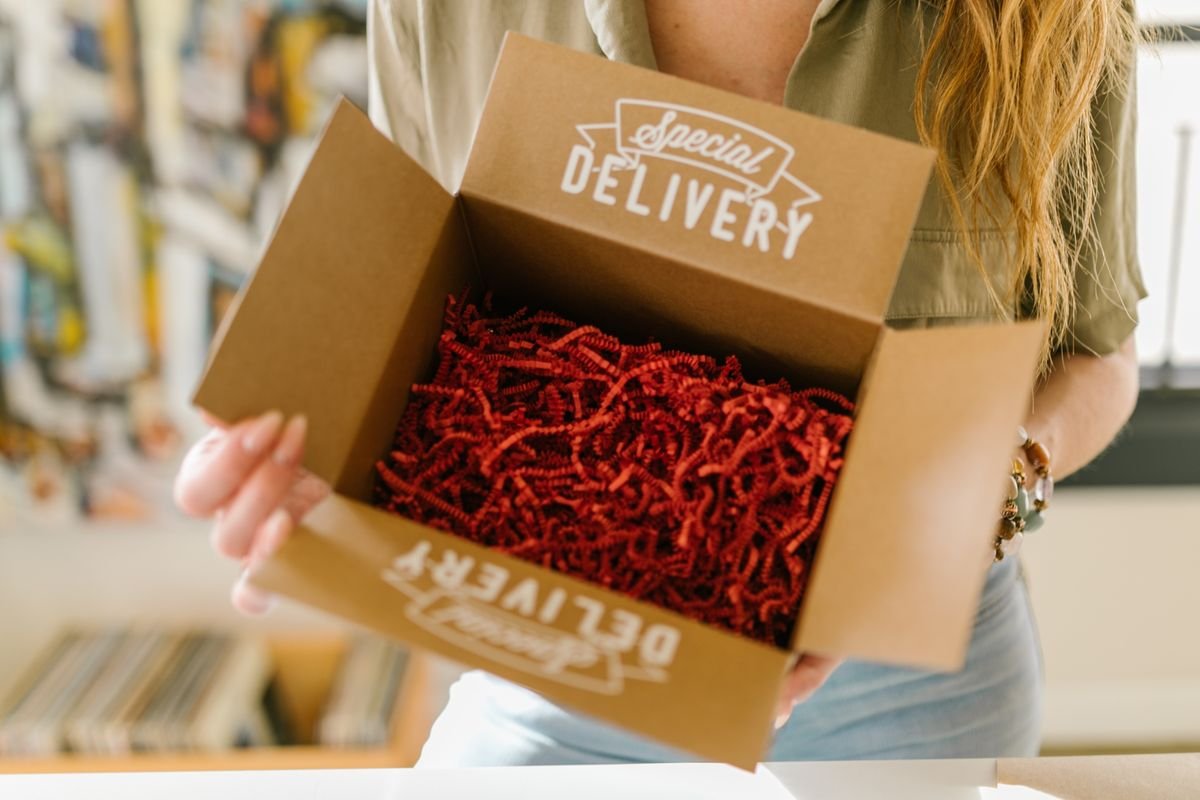
The seconds a customer spends opening your box shape how they feel about your brand long after the sale
Vector or raster? 72 DPI or 300 DPI? Here's a plain-English guide to the file formats that print cleanly

From mono-material boxes to typography-led design, here are five practical packaging trends that make
A plain-English guide to kraft, corrugated, rigid, mailer, and mylar packaging, so you can pick the right



Leave a comment